

CA Advisory
Giacomo
CA Advisory is an independent consulting firm that supports entrepreneurs in creating long-term value.
Our approach is based on the premise that finance should be closely related to the real economy and combines strategic, financial, and organizational capabilities in a global vision and perspective, leveraging the adequacy of skills and network of contacts that enable the client to achieve desired results.
CA Advisory works with management to develop analytical and forecasting models to support strategic decisions.
CA Advisory offers Enterprise Performance Management (EPM) solutions and implements innovative Excel interface-based technology to help companies maintain a competitive advantage and foster growth and success in the global marketplace.

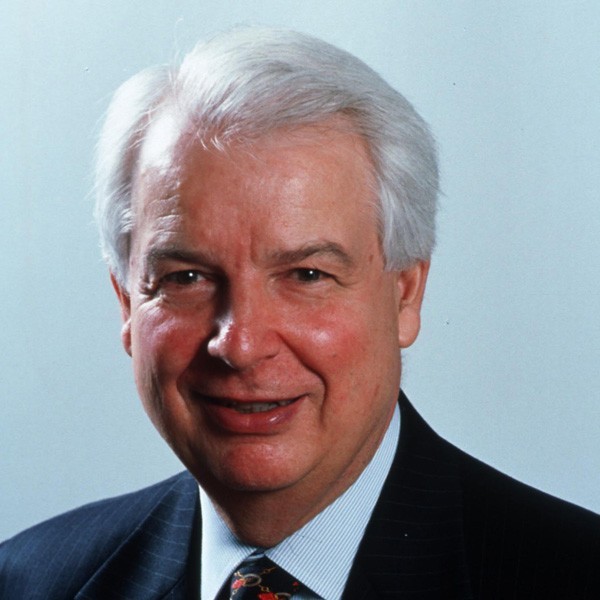
Prof. Vittorio Coda
Prof. Vittorio Coda
We talk with Prof. Vittorio Coda
Prof. Coda, in your latest book published by Egea “Spirit of Enterprise – Triggering and sustaining a flourishing dynamism” you already from the second chapter titled “In search of a direction of meaning,” make one important aspect very clear: how to get rid of false beliefs.
Do you think these false beliefs still harm business making and business making outcomes?
Are they that difficult to unhinge?
“These are still widespread beliefs that are rooted in the unconscious. To disrupt them, the first step is to bring them out and question them. For example, the belief that the purpose of business is profit does not consider that profit is indeed a fundamental goal but not the purpose that impacts how profit is produced and distributed. Now it is precisely this purpose that needs to be brought to the conscious level and made the object of conscious choice. The other beliefs mentioned in the book also do not put the focus of management on the enterprise as an asset to be managed with foresight for the good of all stakeholders.”
Do you chair the Scientific Committee of ISVI from your privileged observatory believe that Artificial Intelligence can be a factor in the growth of the “spirit of enterprise” capable of triggering and sustaining a flourishing dynamism?
“AI, like all technological advances, can be used for good or ill, it depends on how concretely they are transposed into the management structure and processes. And this, in turn, depends on the spirit in action-that is, the purpose of the enterprise in fact being pursued. If the purpose is to make the enterprise thrive in respect of and for the good of all its stakeholders, AI will be a factor in its development and in the growth of its people; if, on the other hand, it is to produce the maximum possible profit for the benefit of a few strong players, the impact of AI will be quite different.”
Or, in your opinion, could it prevent the entrepreneur from seeing different nuances such as beauty, from living the entrepreneurial values summarized in ISVI’s Charter of Values?
“I do not see any incompatibility between AI and ISVI’s charter of values, provided that the former is conceived for what it is, intelligence embedded in machines, and we are careful not to delegate to “intelligent machines” decisions that instead require to be made according to conscience in the exercise of the free will proper to human beings.”
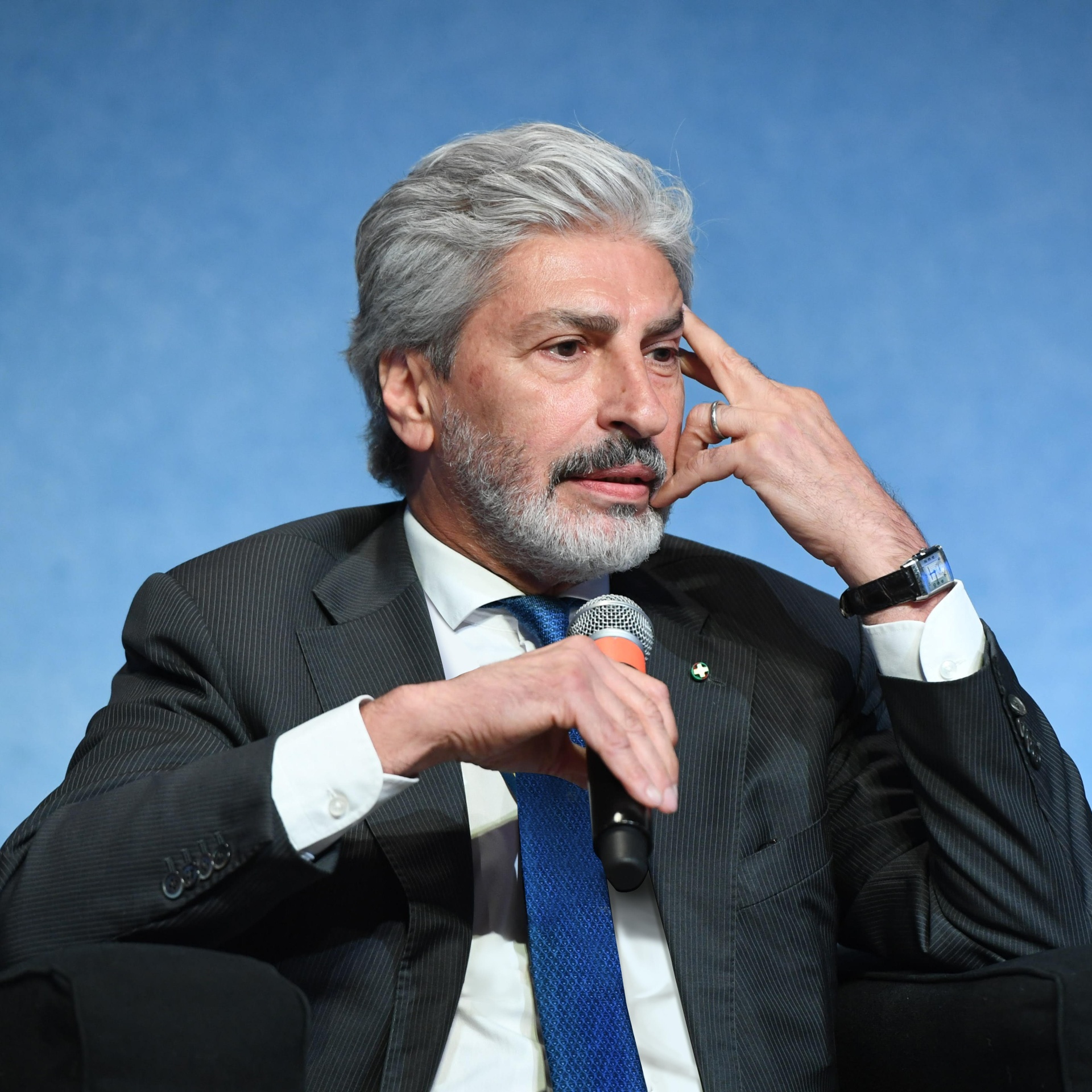
Dr. A. Reza Arabnia
Dr. A. Reza Arabnia
We talk with Dr. A. Reza Arabnia, president and CEO of Gecofin
Dr. Arabnia, do you believe that Enterprise Spirit can be a positive force that develops within the company itself?
“Spirit” is the result of multiple factors, starting with a specific purpose for which an enterprise is started. This is enriched by the values on which the management of the enterprise is based. The climate generated by the application of these values gives strength to the creation of a group of people who live as if they were in a community. What motivates this community is the force behind the Spirit of an Enterprise. The positivity or negativity of this force depends on the purpose and values and does not necessarily guarantee economic results per se. This is the reason why the path is not always linear, but must remain consistent in purpose, like a sailboat whose captain knows where he has to go, but also understands the importance of managing the wind.”
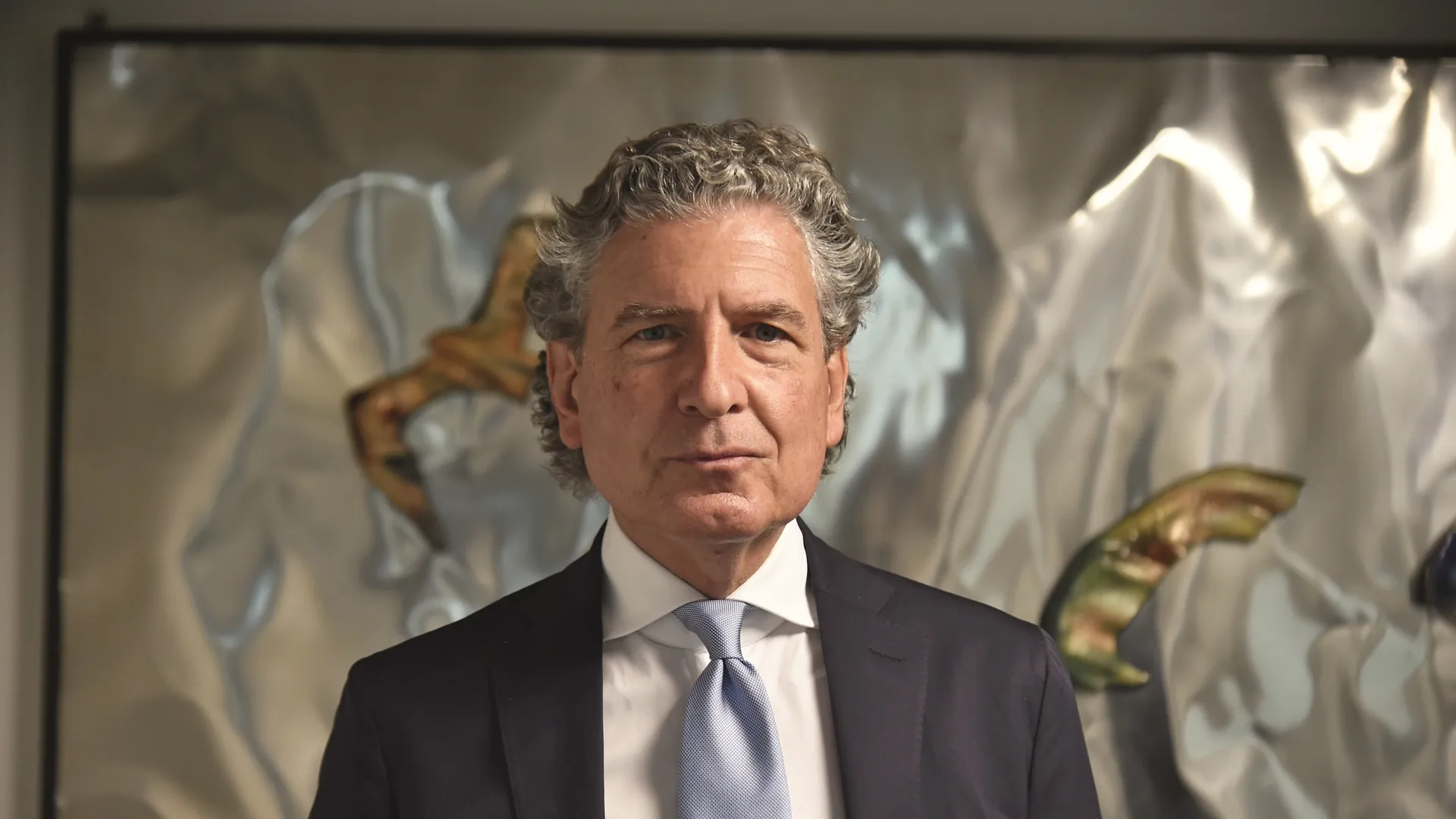
Aram Manoukian
Aram Manoukian
We speak with Aram Manoukian, president and CEO of Lechler SpA and ISVI board member
An entrepreneur who not only runs the company, but is also its custodian of its tradition of success and an unwavering commitment to innovation.
What are the main challenges and opportunities the paint industry is facing right now, and how is your company addressing these challenges to remain competitive and innovative in the market?
“All companies, not just paint companies, need to question what they need to do to be there in the future! This in my opinion is the biggest challenge! To ask oneself what is the meaning: to “be,” even before the “do,” to widen one’s gaze, to be aware of one’s own fragility, to collaborate within the company, as well as within one’s stakeholders, including the social context. Involve your employees, give them responsibility, trust, personal and common goals, according to a clear vision, resting on shared values! Then measure the progress of an annual plan, included in a multi-year strategic plan to go home in the evening, after a day’s work, having the serenity of having done everything possible to achieve a result that can be, not only explained, but generative, that allows the company to last over time.”
Does the Company you lead integrate environmental sustainability into its operations and business strategies, and how does this commitment contribute to both environmental protection and the long-term success of the company?
“Sustainability is closely related to durability. The literal translation of the English word “sustainability” is “ability to maintain” whatever needs to be done, to last over time. In the corporate context, governance is paramount. This includes establishing clear responsibilities, identifying strategic goals, ensuring the safety of products and work procedures, and respecting people, rules, communities and the environment in which the company operates. If you do not act with these organizational and strategic values and principles, you cannot have a future. So it is a necessary choice, not so much because the rule or regulations dictate it, but because it is the very culture of the Entrepreneur, who has the responsibility to continue to develop and grow the business, which often, as in my case, is not first generation. Lechler was founded in 1858, I represent the sixth generation: the first two attributed to the Lechler family (founders), then to my great-grandfather, who bought the company from the Germans.”
Could you share a particularly rewarding or successful moment that your company has experienced recently?
What was the key to this success and how did it help shape the company’s culture or long-term vision?
“A particularly rewarding moment was the opening in June of the new Bistrot within a project, which I call “Lechler Village.” Currently, we are restructuring the company area with a two-pronged approach. A significant part of the plant is clearly intended for the production of our products, which in our case include paints and enamels. We have devoted considerable effort to renewing certifications and improving safety measures, ensuring full compliance with the strict regulations applicable to companies operating in the chemical sector. On the other hand, we are building a new facility to improve even more the way we work, not only among ourselves, but also and especially with the community of our customers, suppliers, schools, users, etc. In essence, an “open,” stimulating, idea-generating and constructive relations place, which I call the “Chemistry of Relations”! The production part, which for safety and environmental reasons must be considered all in all “closed,” I call the “Chemistry of Matter.” The physical, material product must contain intangible values, such as knowledge, perseverance, and never giving up: for this reason, the Lechler Village project also includes the construction of new research and development laboratories, by 2025.”
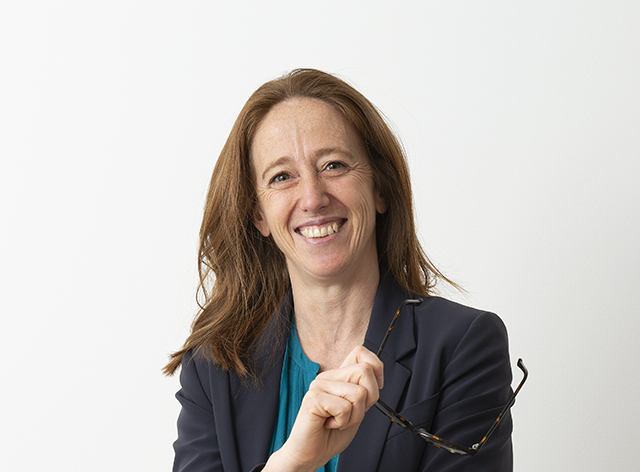
Nicoletta Alessi
Giacomo
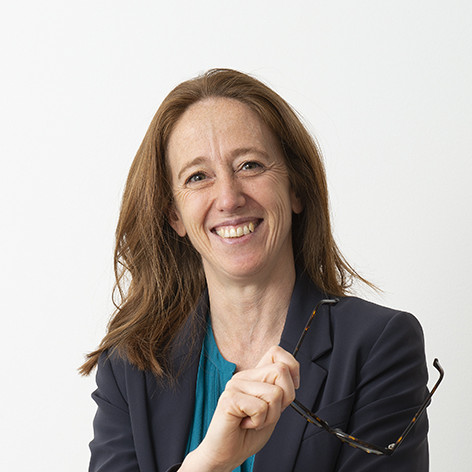
We talk to Nicoletta Alessi, Co-founder of Goodpoint.
We find out with Nicoletta Alessi Co-founder of GoodPoint in Milan, what is meant today by a Benefit Company.
For the past 11 years, GoodPoint – a consulting firm specializing in enhancing corporate social engagement – has been very consistently assisting companies large and small to build the path to social impact.
With Nicoletta Alessi we discuss three key points: the main elements of the study that GoodPoint conducted, examining the Articles of Incorporation and Im pact Reports of some 600 Benefit societies.
What are Benefit Societies?
“The Benefit Society is a company that pursues the purpose of profit, while at the same time giving itself the purpose-legally binding-of creating value for the Society. It therefore represents an innovative and virtuous business model, in the form that is well suited, however, to a way of doing business that is very old and very present in Italian entrepreneurship. Nicoletta Alessi continues: in Italy since 2016 the Benefit Society has been a legal form. Several companies claim to be “sustainable” or rather “responsible,” but being a Benefit Society is a way to give evidence both outside and inside the organization to its commitment. It is a way to measure and evaluate one’s ability to create value. Benefit Society in addition to observing and reporting results in terms of profit creation, the Benefit Society is called upon to account assess and give itself goals with respect to what the standard calls “common benefit” in addition to observing and reporting results in terms of profit creation, the Benefit Society is called upon to account, assess and give itself goals, with respect to what the standard calls “common benefit”; that is, the real benefit generated for people, the environment and the Society. In Italy currently nearly 3,000 companies are Benefit Societies a figure that is growing rapidly.”
What specifically is meant by common benefit?
“The impact purposes identified by the Company must be regularly stated in the corporate purpose, and then pursued in such a way that the management sees the interest of the Shareholders and that of the context protected in a balanced way at the same time. Through our research we have identified 5 Impact profiles, because companies tend to interpret the concept of Common Benefit in even very different ways. Wanting to simplify, we glimpse two prevailing attitudes: that of the Benefit company that assume as its duty towards Society that of “limiting the damage” of the business, thus postponing a vision for which the business is something intrinsically harmful, to be kept “made sustainable”; that of the companies that while recognizing as essential the assumption of responsibility towards the negative externalities of the business, seek in the business activity itself the Common Benefit, selling it as a tool for the creation of shared value. It is the same Entrepreneurs and Shareholders who value Benefit companies by making their business model effective, profitable and ready to believe in the future.”
Who does this Enterprise model work for?
“The Benefit Society model is being adopted by small, medium and large enterprises today. It is from our point of view not so much a way of being “sustainable” but a different “way” of doing “business” suitable for anyone who does not identify with pure profit-making and wants to contribute to the emergence of a new capitalism. The basic motivation for choosing it is this: it is the right outfit for chia has already chosen the basic approach. Then it also has advantages of course: strategic, first of all, because defining a clear purpose allows one to start, monitor and evaluate the activity based on what is most important to the entrepreneur: inward. Because it is a useful tool for lowering vision into practices and processes. Spreading and having concreteness to the corporate culture: outward. Because it is a way to stand out by telling about oneself purpose and values in which interlocutors can recognize themselves.”
We thank Dssa Nicoletta Alessi for answering our questions and invite you to download the full Goodpoint research by clicking on the this link.
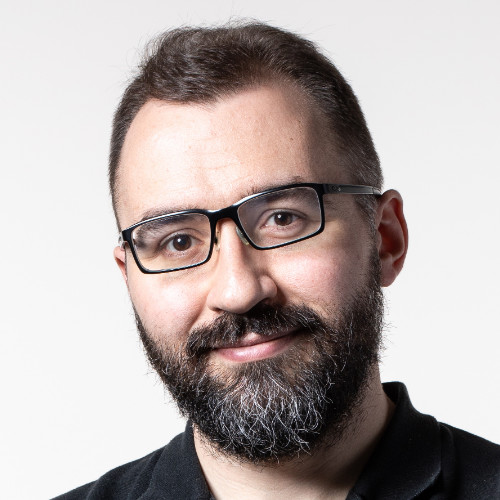
Alexander Molina
Alexander Molina
We talk with Alessandro Molina, co-founder of beSharp
beSharp is an outstanding information technology company with wide international recognition-what is its secret?
“First, let’s explain what we do.
beSharp is an IT consulting company: we design, implement, manage infrastructure in the Cloud world, along the entire supply chain, on Amazon Web Service (AWS) for large Italian and multinational companies.
We embrace the entire IT lifecycle, from design to implementation of scalable services to 24/7 support for Cloud infrastructures on a global scale.
Back in 2011 we were among the first to believe in the cloud paradigm, on which we bet and therefore invested all our energies: we were the first AWS partner in Italy, even before AWS opened an office in our country!
Strong specialization in the cloud is the basis of our success and is still the core business of our company; continuous and certified training is a key asset, consequent to this strong specialization.
From the very beginning, in fact, we founded many AWS User Groups promoting the use of Cloud and Serverless technologies at various events over the years.
We encourage each of our employees, even those who are not directly involved in the technical aspects, to achieve as many AWS certifications as possible, and so we have become one of the teams with the highest number of AWS certifications per capita: we have the most certified team in Italy and Europe in our field!
Also for this, in 2019, beSharp was awarded “Forward-Looking Partner of The Year” during AWS Partner Day, in recognition of its expertise and significant number of certifications achieved.
This recognition by AWS, along with Competencies and Training Partner status, is just one of the last steps in a journey that we know will continue for a long time to come.
In summary, the certainty of absolute technical excellence is an indispensable asset of ours.”
How does beSharp differ from competitors?
“At beSharp, we believe in technology as an enabler of new business models.
That’s why we help companies adopt revolutionary technology models, implementing innovative projects that make them achieve their most ambitious goals.
We contribute to the evolution of the culture of innovation, studying and disseminating the most innovative IT paradigms ourselves, to enable organizations to face new challenges and seize all the opportunities they offer.
Technology, then, is at the heart of our business, but with a strategic approach.
From this assumption comes our approach to the customer that differentiates us from many other companies in our industry: an approach of transparency and knowledge sharing to put them in a position to best understand what we do.
We do not jealously guard our technical expertise, for fear of becoming less useful to the client in the day-to-day management of activities, but on the contrary we try to make the client a smart and prepared interlocutor with whom we can then build further tailor-made projects based on the needs of his business.
In this way we create a relationship not only of trust, but of strategic collaboration, we lay the foundation for that co-design that has enabled us to contribute to thousands of Cloud projects for the most prestigious companies around the world – I mention Pirelli, General Electric and Roche among others – in many different fields, from Cloud migrations to Cloud-native development, from IoT and Big Data to AI/ML projects.
But the source of our competitive advantage lies elsewhere as well…”
Among the key enterprise values for beSharp is a focus on employees: does technology or people matter more?
“”we deliver value through people, not services.”
People come first, and having a common value base is most important is the first criterion for being part of beSharp, even before technical knowledge, which, as mentioned, must be of excellence, but alone is not enough.
In 2015 we drafted our “exalogue” of values that all of us in beSharp keep as a compass in our daily actions.
It is a set of six values that is also proposed to the candidates at the selection stage, as a mutual assessment tool: the first of the three interviews we do is purely values-based, to assess the value and motivational levers; only after passing it is it possible to access the second interview of a technical type and, finally, the final interview with us, the founders of the company.But back to our “exalogue” of values:
Make it work: we make it run!
All of us at beSharp have to make it run and, above all, we have to solve problems, first and foremost.
We are always there for our clients, advice that is certainly an investment for them but also a certainty
Always aim for the best solution, avoid alibis and compromises of convenience.
It is necessary to know as technical specialists the best solutions: such in-depth, certified knowledge must guide consulting
Passionately study and learn new things whenever you have the opportunity.
Update yourself so you can look forward to new ideas and projects
Take care of those who work with you, whether they are colleagues or customers.
Give attention to all our stakeholders, everyone who comes into contact with beSharp.
In particular, when it comes to employees, we talk about Human Relations instead of Human Resources: each employee receives targeted attention, from tools to do their job better to sharing their personal needs.
During the March 2020 lockdown, for example, we made a big investment to provide people at home with chairs and monitors suitable for home working.
In beSharp, there are no fixed hours, just a rough guideline, and the doors of the offices have often been opened to family members, for get-togethers to get to know each other and share, but also for pure conviviality, in total transparency and team spirit.
And the results can be seen: in ten years, no one has resigned, and we continue to grow and hire.
Always say what you think, be honest with yourself and others.
Always say what you think is working and especially what you think is not working: we believe very much in the value of transparency in a constructive sense, and that is why we try to push everyone to express themselves sincerely; we often go around the table in our internal meetings to hear everyone’s voices, especially the critical ones.
Finally, the most important value: seek personal satisfaction in all the things you do, be happy!
Personal satisfaction is everything; if it is missing, the preconditions for professional satisfaction are also missing.
Both the human and professional fulfillment of our employees is the real added value for us and for our clients, and this is also why we invest in updating, training and growth, also and above all human and personal, of each of our employees.
A final key word I would like to highlight is responsibility: values should not remain just nice words.
The shared and common value base is functional in empowering people to make decisions on their own, decisions that are in line with beSharp’s philosophy and approach.”
Andrea Bolla
Giacomo
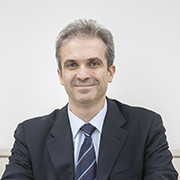
We talk to Andrea Bolla, CEO of VIVIenergia.
What is the secret of VIVIenergy’s organic, sustainable and steady growth?
“Since our founding back in 2003, we have believed in the great opportunity offered by deregulation: the idea of growing in a finally deregulated market has been the guiding star that has guided us over time, along a path marked by consistency and transparency toward our stakeholders and clients.
We started out as a utility specializing in supplying gas to households at the local level.
Since then we have come a long way.
Today VIVIenergia is one of the leading independent electricity and natural gas sales operators in Italy.
The territories we serve have grown, coming to cover the whole country, and we have more customers, not only households, but also SMEs, condominiums and large companies: there are more than 350,000 who rely on our services, which are characterized by high flexibility and efficiency.
In addition, with our subsidiary VIVIesco, the Group’s Energy Service Company, we provide services aimed at saving and optimizing consumption.
In fact, we have further expanded our offerings, no longer only gas and electricity, but also energy efficiency products.
This path of growth is constant because it is guided by medium- and long-term goals: we have the courage to invest and we are also increasingly doing so in sustainability, because we believe in it and we notice that it is a theme that is also appreciated by our clients.
This means, for example, that sometimes it is appropriate to set lower, “single-digit” growth targets – in the last year we grew by 5 percent – to allow us to make important investments, or to make courageous choices, as in the case of some acquisitions made in 2011, in a period that was still very complex because of the recent financial crises.
Another feature I really emphasize in our growth model is the constant search for a deep reason, never tactical or impromptu, that leads customers to prefer us.
We want to create a relationship of trust.
For example, in a counter-trend approach to many operators, at the time of market liberalization, we decided to change our brand immediately to make it clear that a change of pace was taking place and that from that moment on the consumer would have a choice: we wanted him to be aware of this new possibility and, having made the appropriate assessments, to hopefully opt for us.
With this in mind, we have recently carried out a new re-branding: VIVIGas energia has become VIVIenergia, a renaming that marks a change of pace to meet the challenge of innovation, energy transition, and getting even closer to its customers.”Is a transparent customer approach about proximity or digital?
“Physical proximity and concrete proximity do not exclude the importance of digital innovation, in fact in our opinion they are complementary: in fact, our strategy is multichannel.
Since the early years, when many operators were closing their outlets, we were opening new ones, and today we count 28, which can ensure a direct relationship and proximity to the real energy needs of households and businesses.
Our in-depth knowledge of the sector makes us able to best interpret the challenges of the market, with the aim of creating genuine and long-term value for all customers, who are thus guided on a tailor-made path through flexible and maximum-efficiency solutions in the wake of energy efficiency.
This consultative capacity represents a genuine competitive lever and translates into ongoing customer support through a distinct multichannel approach, fully integrated between digital and physical.
Today, we support customers not only with the store network, but also through the call center, which is fully operational from Italy, online chat for immediate assistance, and the smartphone App that allows them to check and pay their bills and communicate self-reading even on the move.
The digital channel is challenging and always evolving, but characterizing and has a high capacity to talk to customers; moreover, it proved to be of formidable importance during the periods of closure due to the pandemic.
It was during that time that we became more aware of how digital interaction with people was an unmissable opportunity for dialogue and exchange.
Indeed, we were able to listen to our stakeholders and perceive their changes: now the challenge will be to interpret their changing attitudes correctly and create service offerings that fit that change.”
What does sustainability mean for an energy market participant?
“Sustainability is a value choice to be pursued seriously and consistently.
For VIVIenergia it has many declinations, from corporate social responsibility to attention to people, but the key element for us is the investment in innovation and development of energy efficiency, concretely today amounting to 20 percent of ebitda.
For several years, before sustainability entered the agendas of companies as a mainstream issue, we have been presenting ourselves with an integrated approach to the world of energy; this might seem like a contradiction in terms, but it is not: we are aware of how energy saving-not only in terms of saving money, but also in terms of protecting the environment-is a business lever for our clients, and it is a feel-good issue that increases the sense of belonging of all the people who work in the company.
Lastly, we are aware that if we do not offer these services sooner or later some of our competitors surely will.
With a streamlined and independent approach to technology choices, with our subsidiary VIVIesco we guide clients on a virtuous path to achieving challenging energy-saving and environmental sustainability goals.
Our range of offerings is constantly developing and expanding in the direction of energy transition: we are engaged in the provision of energy efficiency solutions, ranging from the installation of photovoltaic systems, to lighting system upgrading projects, cogeneration plants, e-mobility services for companies in addition to low-impact boilers and air conditioners to support better use of energy resources.
Also not to be overlooked is the demand for sustainability driven by incentives, which leads us to seek and respond with a suitable offer.”
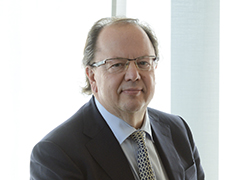
Luigi Lazzareschi
Giacomo
We talk to Luigi Lazzareschi, CEO Sofidel
What meaning does Sofidel give to the expression Sustainable Growth, now that sustainability is mainstream?
“Sofidel makes sustainability a strategic lever of development and growth, working to reduce its impacts on natural capital and maximize social benefits for all its stakeholders.
A philosophy encapsulated in the guiding principle “Less is More” that inspires every activity of the Group in creating shared value.
Ecological transformation, for a low-carbon and reduced natural capital economy, digitalization, and social inclusion are some of the priorities the Group has set in its work to create shared value.
It is true that we have become an international Group, but we are a company that was founded almost 50 years ago, unlisted and family-owned: these roots naturally lead us to always look far ahead and always think long term to go beyond individual generations.
This kind of approach is what has led us to put economic, social and environmental sustainability at the center of our strategy.
In particular, we work along three strands that relate back to sustainable growth: economic sustainability, which for us means production efficiency.
The renewal of technological assets used in the production process (paper mill and converting) is a key asset in terms of organizational efficiency.
Attention to technological assets is a constant throughout Sofidel’s history, which over the years has been able to build virtuous and lasting relationships with some of the industry’s leading suppliers.
Since 2016, this striving toward the future has been translated into a new and extensive work of renewing its technological assets.
Reducing the cost of logistics that has been and continues to be key in our strategy: we have 30 facilities designed to minimize distances and be more competitive both in terms of cost and in providing services in an extremely timely manner.
The lower environmental impact consequences of this approach are an obvious consequence of reduced transportation.
Finally, we think that leading company should aspire to grow more than its competitors, to have an economic return to support this growth, but all with an unavoidable positive social and environmental impact on the communities in which it operates.
In Sofidel back in 2008 we set ourselves very challenging goals in the areas of raw material sourcing, water consumption efficiency and emissions reduction.
I give two examples.
The Group applies strict policies for sourcing raw material from forestry sources and gives preference to suppliers who comply with the main forestry custody schemes.
100% of the pulp used in the production process comes from sources certified to FSC®, FSC Controlled Wood and PEFC™ standards.
In the 2000s we were the first Italian manufacturing company and the first in the world in the tissue sector to join the international WWF Climate Savers program, aimed at leading companies on the “low carbon economy” front, which proposed to voluntarily adopt plans to reduce greenhouse gas emissions through the definition and implementation of innovative strategies and technologies.
From 2009 to 2020, we have exceeded the targets we set ourselves: about 100 million euros have been invested in cogeneration plants, power generation from renewable sources, biomass power plants and energy efficiency activities, and to date, the Group has reduced direct CO2 emissions into the atmosphere by 24 percent.
But with this first phase of the pathway over, we immediately set ourselves new, more challenging targets to reduce, by 2030, climate-changing emissions from our operations (scopes 1 and 2) by 40 percent – mainly through increased use of energy from renewable sources – and, with respect to our suppliers’ pulp mill operations (scope 3), by 24 percent, in both cases relative to the 2018 base year.
Targets endorsed, I am pleased to point out, by the Science Based Targets initiative (SBTi) as consistent with the reductions needed to limit global warming well below 2°C, according to the Paris agreements.
Regarding packaging, as another example, Sofidel has set a goal of reducing the incidence of conventional plastics in its production by 50 percent by 2030, through the reduction of the thickness of plastic film used in the production process, the introduction of new kraft paper packaging, and the gradual use, in some markets, of recycled plastics or bioplastics.
To conclude, it is true, sustainability is mainstream today, all companies are talking about it, but very few have questioned and shared why they talk about it as a strategic business lever.”What are 10 reasons why the Sofidel Group places sustainability at the center?
“Being sustainable pays off.
Our approach is confirmed by the dimensions through which Sofidel measures its growth: in addition to turnover, margins, volumes and geographic coverage, another determining factor is, in fact, the social return in terms of well-being for the community.
With its commitment to sustainability Sofidel expects ten main benefits.
1- Cost reduction: using renewable sources, increasing plant efficiency, and reducing consumption of energy and environmental resources are also factors that result in increased economic efficiency, not just investments.
2 – Motivation and talent attraction: for the same pay, working for a socially and environmentally conscious company is more rewarding.
3 – Access to tax benefits: increasingly, governments and public institutions will penalize the most polluting companies fiscally while incentivizing, conversely, companies that invest in sustainable development.
4 – Raising market standards: investments in sustainability make a large contribution to this by making it more difficult to resort to unfair competitive practices.
A useful tool against so-called social and environmental dumping, activities through which some companies attempt to bring products to market at lower prices by offering inferior guarantees to workers or failing to comply with environmental protection regulations.
5 – Satisfaction of consumers today who are increasingly attentive and demanding in their search for sustainable products, services and companies in general.
6 – Adequate responsiveness to customer demands, for example in the area of private labeling: this is the ability to respond positively to environmental and social qualification criteria that public administrations and customers include in their purchasing procedures, i.e., increased chances of winning supplies and developing strong and lasting partnerships.
7 – Anticipating increasingly stringent regulations and being ready for them: sustainability is a powerful cultural leaven of technical and organizational innovation that enables anticipation of legal requirements.
This makes it possible to reduce operational risks, improve dialogue with public authorities, and accumulate competitive advantages.
8 – Increasing its credibility and trust: an enterprise that operates sustainably is one that works to be fully transparent.
9 – Facilitating access to capital: a sustainable enterprise is one that has a competitive advantage in dealing with banks and financial institutions.
10 – Reputation growth: stakeholders increasingly value companies for the values they embody, and in this sense, commitment to sustainability also translates into improved stakeholder perceptions of the company.
A good reputation is a key intangible resource that contributes significantly to value creation for the brand and the company.”
What is the secret in having been able to innovate in a seemingly traditional market and how to continue to innovate in the future?
“The secret is to never be content,” the entrepreneur is never happy and satisfied, which is why he never stops: having a desire to grow and always invent new solutions, being curious and looking ahead in the long run is the only way to make the business grow.
We often try to be “futurologists,” obviously based on socio-economic research and surveys, to understand what the market developments will be.
For example, today we are pondering the impact of such a long period of health emergency on our type of products: we think that certainly hygiene will become increasingly important to people, but also their demand for more and more tailor-made solutions.
Indeed, we foresee a consumer who is extremely demanding and accustomed to a wide speed of response to their requests: with this in mind, we are studying the world of e-commerce and thinking about a marked personalization of products.
However, I would like to stress again the importance of values: while it is true that we must give concrete answers to new consumer demands, we leading companies must also lead by example with the sense of responsibility proper to those who chart the course: in the area of sustainability, not only is sustainable behavior our duty, but we must also try to involve our entire production and value chain: for example, by helping smaller players to improve their environmental performance, giving them frameworks but also by setting selection criteria that bar the way for working with suppliers who do not meet the required standards, exercising our bargaining power.
“Clean living. For everyday needs. For a healthier planet. For integrity and respect.” is our purpose that well defines our role in society and the benefits we intend to bring to people and the planet, which can be summarized as follows: to promote hygiene, safety and health to help people improve hygiene and cleanliness through our products; to produce cleanly to protect the environment through an approach to production inspired by the “ecological transition”; and to be ethical and clean as a company to build a sustainable business culture.
The relationships we develop with all our stakeholders are inspired by respect for the values of professionalism, practicality, honesty, ethicality and transparency and the pursuit of practices of inclusion, sharing, participation and fair information.
An approach based on integrity of behavior and mutual respect to help build a positive future for people and the planet.”
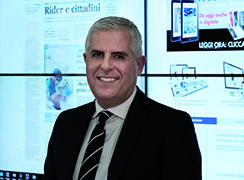
Alexander Belloli
Giacomo
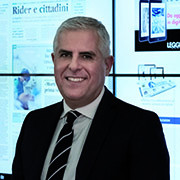
We talk with Alessandro Belloli, general manager of Avvenire Editorial
How is Avvenire’s positioning evolving in the Italian news landscape?
“Avvenire over the past fifteen years has embarked on a path of steady growth that has made it the fourth largest newspaper in Italy in terms of print circulation and the fifth in the paper plus digital aggregate.
Ours is a national Catholic-inspired daily newspaper spread throughout Italy, with great attention to the evolution of society, news and economic and international current events.
Inspired by Pope Francis, like him we address the major issues of Italy and the world, the Church and religions, culture and science, customs and technology, the natural environment and human rights.
We have always stood out, as we do today under the editorship of Marco Tarquinio, for our extensive in-depth coverage, thanks to numerous editorials, rich sections of the newspaper and periodical inserts: Popotus, a real news magazine for the youngest; L’economia civile, a new multimedia container that recounts the evolution of the third sector, the most innovative ethical finance, and technologies with social impact with Avvenire’s unique gaze; and soon to be released Noi in famiglia, an insert to recount weekly experiences, insights, and life stories on everything related to the family in society and the church.
Today, Avvenire is at the center of a true editorial system that in addition to the daily newspaper includes a website with a voice-reading service for articles, dedicated vertical sites, social media presence with a high rate of engagement on Facebook, Twitter and Instagram profiles, a podcast channel, an app where the digital daily newspaper and all its local editions can be consulted, the monthly Luoghi dell’Infinito, and a book production that also includes a series in collaboration with Vita e Pensiero.
Readers have a trust relationship that few other newspapers can boast, as evidenced by the110,000 copies circulated daily and the highest percentage of subscribers among all Italian newspapers, at 80 percent of readers.
The goal of the Strategic Plan to 2024 is to maintain the positioning and authority achieved in the information landscape, all while continuing to be sustainable, reducing operating costs and developing the product and publishing business.
Certainly, like other players in the industry, we were affected by the impact of the pandemic in 2020, but although it is too early to take stock, we do see some positive signs: for example, on the digital front, we are seeing the fruits of intensive online newspaper promotion activities that consolidate a trend that was already growing spontaneously, accelerated by the effects of the pandemic.
We also believe that this experience will accelerate the process toward digitization, especially with regard to the information provided on publishers’ websites, and thus the issue of the paywall.
Finally, we believe that the print newspaper has regained positioning and we hope it can be reevaluated.”What is the response of Avvenire’s publishing system in the face of evolving information business models?“The key word is innovation, but declined in our own way.
Avvenire has always been a newspaper capable of looking ahead, often ahead of its time: this is confirmed by some insights that are still valid today.
It was born from the idea of Pope Paul VI with the merger of L’Italia of Milan and Avvenire d’Italia of Bologna: in 1968, the Pontiff wanted to create a daily newspaper that would go beyond the national to bind itself to the territory.
It was an attention to communities, to individual territories that today is a value recognized as central to many of the company’s sustainability and business strategies.
An attention to the territory and a closeness to people still confirmed today by the 13 editions in which diocesan editions are hosted.
Even our journalistic language, and the very technical methods we use, confirm this original trait, the look to tomorrow.
Alongside and together with the paper newspaper, our subscribers can read from the first minute after midnight the digital editions for tablets, smartphones and PCs, and they have at their disposal a website that is always updated and structured in in-depth dossiers, like all other readers.
In addition, we were among the first to voice content or create the app, back in 2010.
Today, we think each project from the beginning in both digital and print format, we have included the proposal of podcasts, with a dedicated site: podcasts on history, art, faith, economics and many other topics that are truly original and engaging.
But the concept of innovation for us has a deeper meaning and is very much related to the values of responsible business.”Please explain: do values and innovation complement each other toward the goal of growth?“Innovation stems from our values: it lies in our focus on people, that is, our journalists and our readers, and in words like trust, credibility and quality.
We have always been alert to detect signs of change and new directions, that’s the secret: to keep listening to readers in order to offer ever new products capable of grasping the issues that most interest them.
But above all, to do so with an uncompromising quality of information, a focus on in-depth analysis far from the logic of pure emotionalism, of sterile polemic, but responsive to readers’ genuine desire for knowledge and information.
With this in mind, the guidelines outlined in the strategic plan to 2024 are born: Avvenire as an articulate, multichannel, authoritative and sustainable disinformation source with vertical products linked to the most valuable and impactful issues.
An example of this is the new editorial product The Civil Economy, which we presented on March 3, 2021,where we treat economic issues with the unique gaze of a newspaper that has always been an authoritative interpreter of these topics.
We want to provide information in the pages of the newspaper and at the same time to provide training with authoritative in-depth coverage and to reach different targets such as young people for example, through partnerships with a number of universities: The Civil Economy lends itself precisely to being a tool to work alongside professors in training university students who will be the entrepreneurs of tomorrow.
In conclusion, ours is a very traditional business but one that is greatly evolving and still lacks a clear path.
Even looking at the big international newspapers, there is no clear glimpse of what the new business model for news may be.
Avvenire’s approach to content and to the reader remains the one that has led to its current success: a way of doing innovation not only based on new technologies, but with people and quality at the center, so as to maintain the authoritative source positioning built up so far.
In 2021, there will be no shortage of new inserts on current issues dealt with in an original and in-depth manner by the signatures of our newspaper who tell a harmonious vision of Italian and international reality every day, supported by a value structure that makes Avvenire unique in the Italian publishing world.”
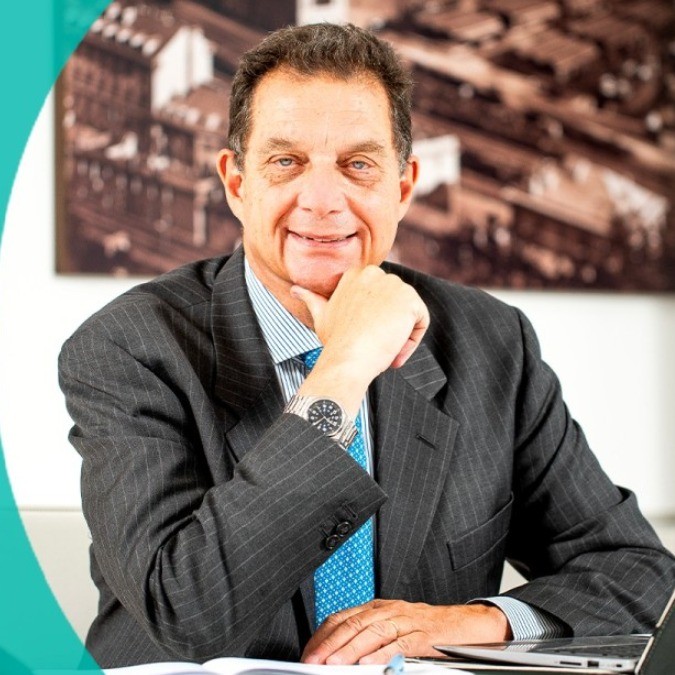
Simone Bini Smaghi
Giacomo
We speak with Simone Bini Smaghi, Arca Fondi SGR
What new scenarios are reshaping the market, particularly the one in which ARCA Funds operates?
“The pandemic has generated new challenges and accelerated trends that have been in place for some time: technology and sustainability are and will be increasingly prominent, including in Italy.
Let’s start with technology.
Let me preface this by saying that one of the characteristics that makes Arca Fondi SGR one of the leading players in the field of asset management in Italy is its capillarity throughout the territory: we have about 100 placement entities operating with more than 8,000 branches and a network of financial promoters and online channels.
The impact of the pandemic in the service sector, such as ours, is forcing a complete rethinking of how we interact and provide information: here digital technology is of fundamental importance, but we need to know how to use it in the most timely and effective way possible.
In 2020, for example, we have enriched the digital platform and service offerings by conducting more than 200 webinars for our consultants to front the 8 in 2019: it was very important to have experimented with this type of interaction last year, so that we are ready to react in a timely manner with its more massive use.
But the potential of technology embraces more strategic issues such as the value-proposition: The critical success factor today lies in the ability to understand customer needs and to offer products and services that meet those needs.
An ability that can be acquired by adopting logics that transform every enterprise into a data-company.
With this in mind, in Arca Fondi we have created an in-house Innovaction Lab to serve the entire company, with the goal of processing and managing big data, analyzing it, and using the results of these analyses to find customized answers to customers’ needs.
Today the technology platform developed by our Arca Innovaction Lab is the beating heart of the business, providing input to all other divisions through the use of sophisticated data and analysis tools.
Before the transformation, every area of the company-from managers to sales, through back office and IT-used and processed information in a non-aggregated way.
We decided to pool all this data, creating a single integrated system that connects with the different interfaces: the app and site for clients, the software used by the managers and the portal for placement assistance to the sales network.
This platform makes it possible to prepare differentiated reporting in favor of customers, to carry out any ad hoc marketing campaigns, in synergy with the Banks and their advisors, according to age, geography, risk profile and type of customer, but it is also useful for the development of new products: through the data we are able to build a given portfolio with a certain expected return; we can test it and know how it will behave if negative phases similar to those observed in past circumstances occur in the market.
Our analysis tools also allow us to build proprietary forms with reference to ESG sustainability metrics, right down to establishing the social impact, social governance and environmental impacts of funds, for example by measuring the carbon footprint, literally “carbon footprint,” the parameter that is used to estimate the greenhouse gas emissions caused by a product, service or organization, usually expressed in tons of Co2 equivalent.”Does sustainability matter today?
“More than important, it plays a key role.At Arca Fondi SGR we are convinced that development cannot be separated from sustainable and responsible investment that considers not only financial factors, but also theESG instances: environment, society, and governance.
Savers are increasingly sensitive to the environment and secondarily to society, butgood governance is indispensable to create value in the long run and to acquire results in the other two areas of the ESG sphere.
In summary, a sustainable business provides greater visibility into the prospects for profitability in the medium and long term, because the integration of financial analysis and ESG parameters is a non-financial risk management tool that enables the selection of companies best prepared for future challenges.
That is why we have developed a proprietary ESG Rating for choosing the securities that are best suited for inclusion in its ESG Funds based on a quantitative approach that covers almost all the assets in its managed funds: it is a synthetic indicator organized into seven rating categories, on a scale ranging from CCC to AAA.
The rating assignment to the individual financial asset is based on information provided by leading data providers and international institutions such as the United Nations.
In the rating process we also take into account so-called controversies, that is, more recent events that are not yet considered in the standard rating criteria.
In 2020 we also launched a range of ESG funds, including the innovative Arca Sustainable Opportunities family of ‘window’ products and the Arca Green Leaders Fund, which makes portfolio flexibility and a focus on environmental issues a real flagship.
The range of ESG Funds is set to grow over time, and two new equity funds, Arca ESG Leaders America and Arca ESG Leaders Far East, will already be introduced shortly, covering geographic areas traditionally underrepresented in sustainable and responsible products.
Another example is our Pension Fund, which boasts 180,000 members and meets ESG criteria; from next year it will go to invest in a student housing fund, among others, demonstrating the importance we give to the social aspect.”
What are the values of ARCA Fondi SGR and how do you articulate them?
“All of our activities are declined through our values: trust between the company, business partners and savers; the integrity we employ in building relationships with clients and in asset management; and respect for the needs of those entering – perhaps for the first time – the asset management market.
These are the values that have inspired the work of our company, Italyindependent leader in savings management, for 35 years.
In addition, ideas and creativity of our employees are the values of those who, like us, with solidity and reliability, can boast capital of about 32 billion euros with more than 750 thousand subscribers.
At Arca, we are convinced that, even through savings, we can positively affect the environment and society in which we live and build a more sustainable future together.That is why in 2019 we signed up to the United Nations Principles for Sustainable Investment (UNPRI), and with this in mind, we decided to enclose our historic logo in a circle, an eternal symbol of perfection, made up of seventeen different colors corresponding to the 17 Sustainable Development Goals of the United Nations 2030 Agenda.
Thus, there are four areas in which we decline our values:
– A commitment to achieve results that are in line with sustainability characteristics;
– Increasing the inclusion of ESG criteria in our Funds, as in the case of our proprietary ESG rating;
– The path of improving the social factors within us;
– support to nonprofit organizations for the material assistance of the terminally ill, such as the one we have been giving to Vidas for many years with the involvement of employees and customers, to more recent projects to zero plastic use and minimize waste.”